

Practical engineering calculators
Use focused calculators for everyday electrical and electronics work, including voltage dividers, circuit timing, passive filters and attenuation networks.
Electrical design
Quick calculations for common AC or DC circuit relationships, loading and practical component values.

Wire gauge calculator
Estimate conductor cross-section from current, length, material, temperature and allowable voltage drop.
Three-phase delta–wye calculator
Convert balanced line and phase voltage or current for delta and wye systems, with apparent power references.
Power factor calculator
Relate real, reactive and apparent power, estimate line current and calculate an ideal correction requirement.
Voltage divider calculator
Calculate unloaded and loaded divider output, current, power and practical resistor pairs.
Reactance calculator
Calculate inductive or capacitive reactance, or solve for frequency and component value.Timing, filters & safety
Explore time-dependent circuit behavior, basic filter response and capacitor discharge requirements.

Time constant calculator
Calculate RC and RL time constants and common response intervals.
Low-pass & high-pass filter calculator
Calculate RC, RL and ideal LC cutoff frequency, response and target component values.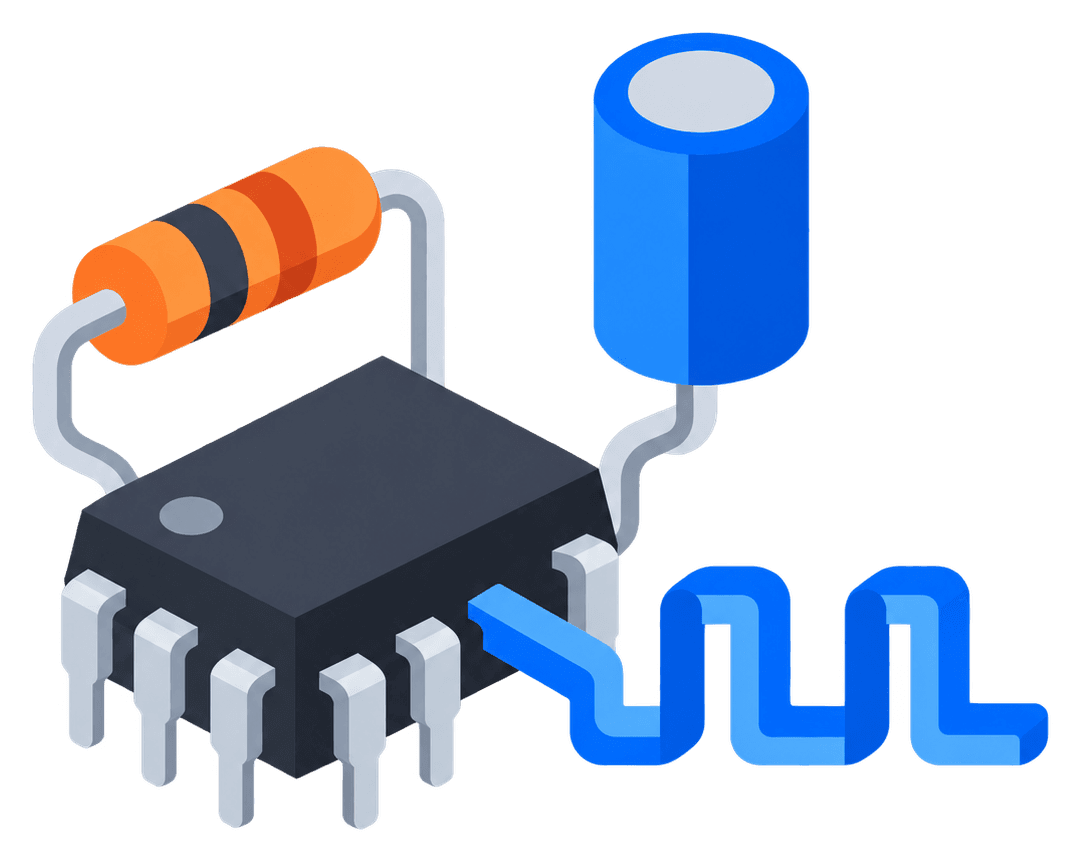
555 timer calculator
Calculate monostable pulse width, astable frequency, duty cycle and practical timing values.
Capacitor safety discharge calculator
Estimate capacitor discharge time, remaining voltage, stored energy and bleeder resistor requirements.Components & coding
Decode component markings and convert common capacitance or resistance values.
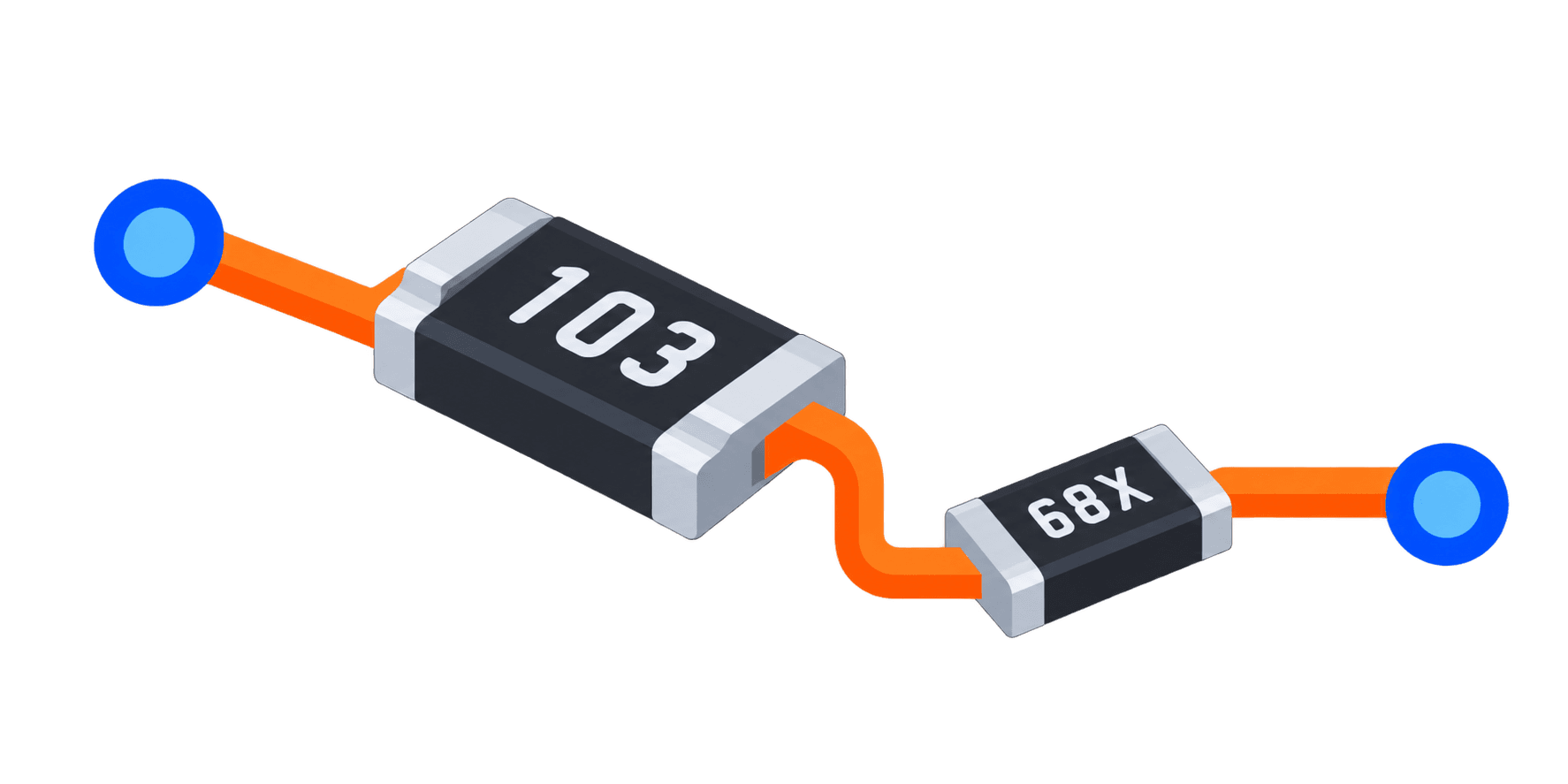
SMD resistor code calculator
Decode common three-digit, four-digit and EIA-96 resistor markings.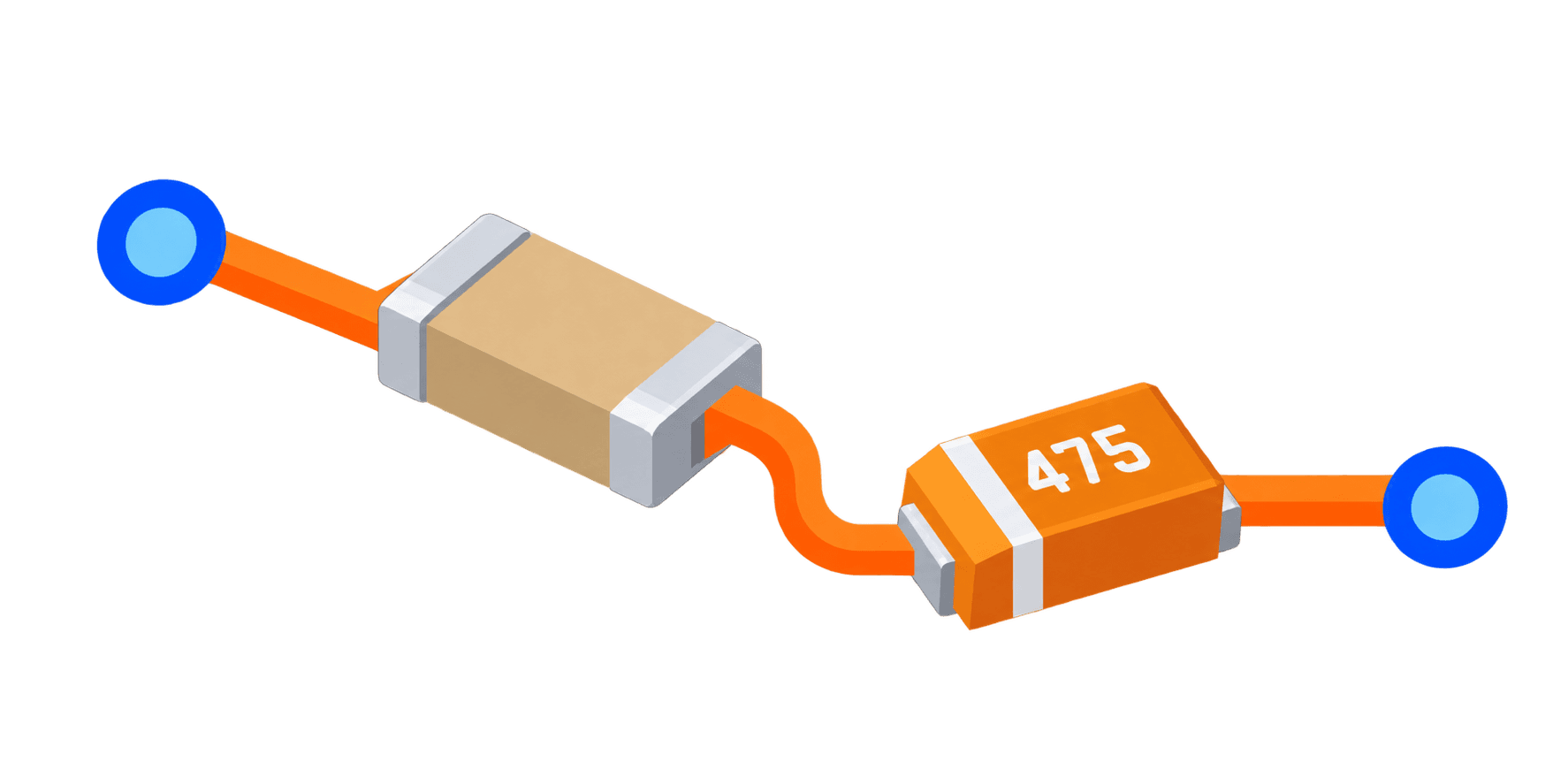
SMD capacitor code calculator
Decode common capacitor value codes, direct unit markings and tolerance suffixes.
Capacitance conversion
Convert capacitance values between farads, millifarads, microfarads, nanofarads and picofarads.RF attenuation
Calculate common passive attenuator networks from impedance and target attenuation.



Use calculation results as engineering guidance
Verify results against the applicable product documentation, installation requirements, safety factors and local standards before specifying equipment or carrying out electrical work.