Image placeholder
Flat and reflective objects
Foreground-suppression and V-optics variants can address thin, highly reflective or transparent targets when the application geometry matches the selected sensor.
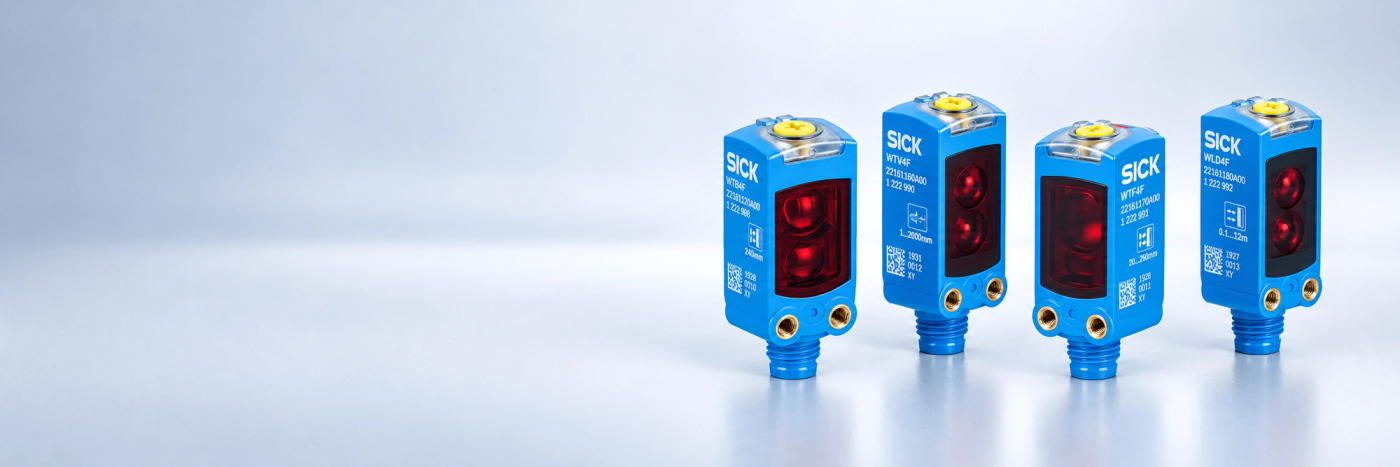
SICK W4F miniature photoelectric sensors combine compact housings with specialized optics for background suppression, foreground suppression, transparent-object detection, retro-reflective sensing and through-beam applications.
View productsCompare exact W4F type codes by sensing principle, optics, range, switching behavior, connection and IO-Link functionality.
Showing 10 of 10
Industrial automation component
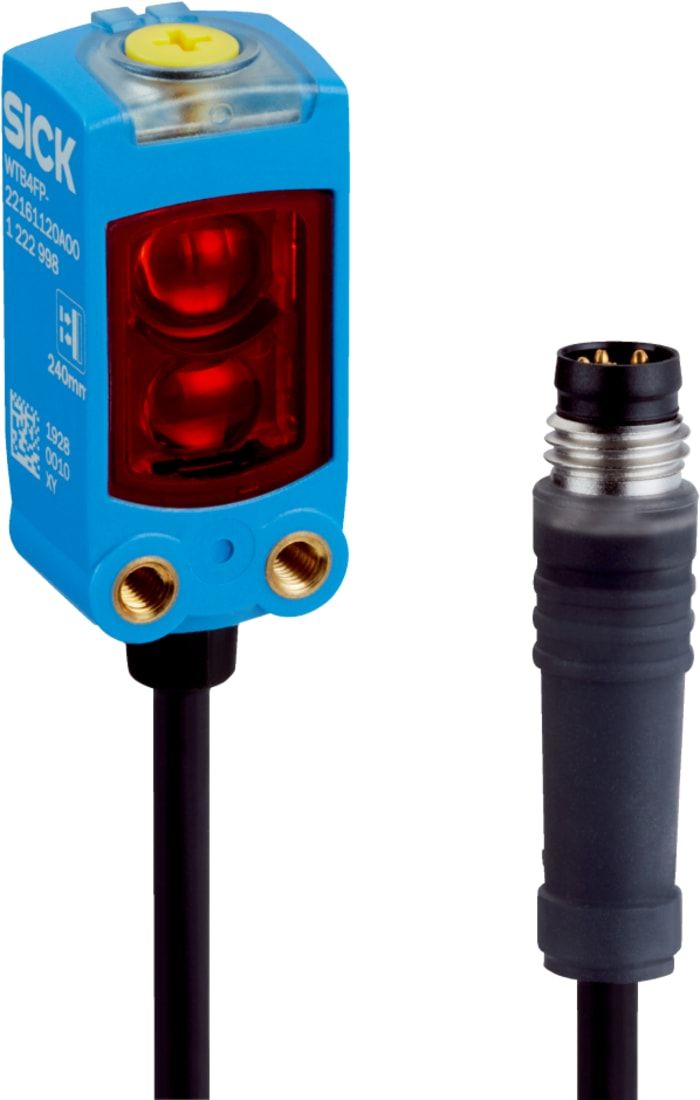
WTB4FT-32161120A00
New Original
$999.00
Industrial automation component
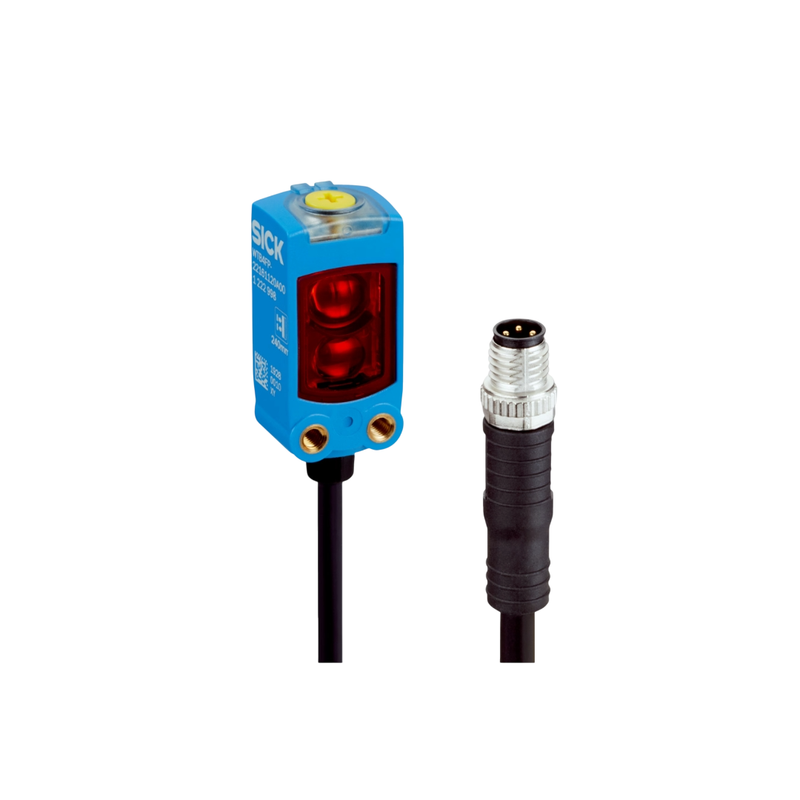
WTB4FT-38161120A00
New Original
$999.00
Industrial automation component
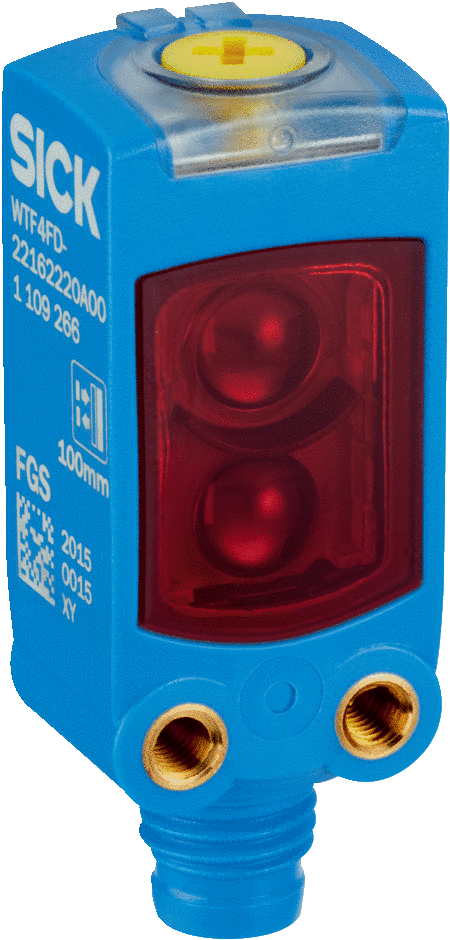
WTF4FD-22162220A00
New Original
$999.00
Industrial automation component
WTF4FD-21311220ZZZ
New Original
$999.00
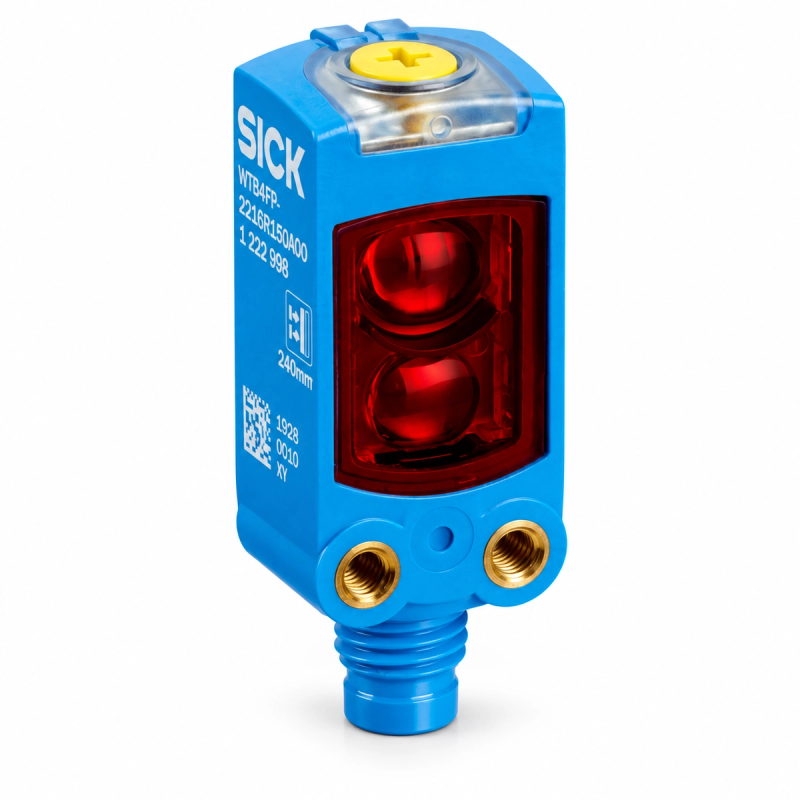
Industrial automation component
WTB4FP-2216R150A00
New Original
$999.00
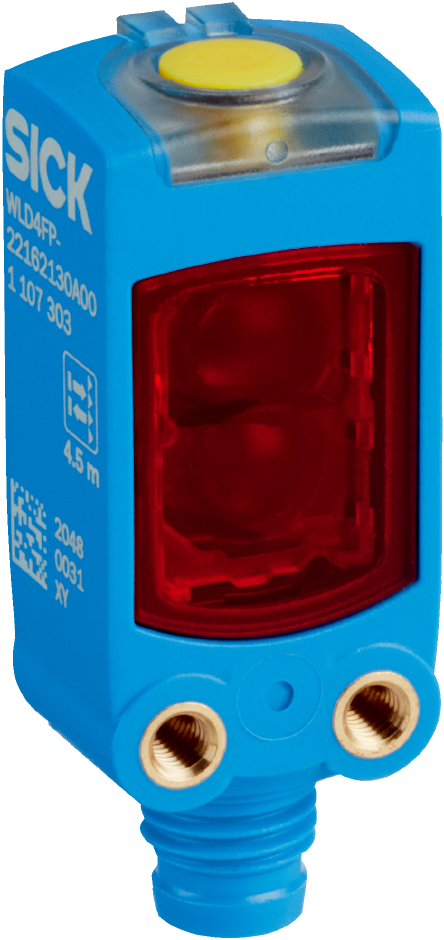
Industrial automation component
WLD4FP-22162130A00
New Original
$999.00
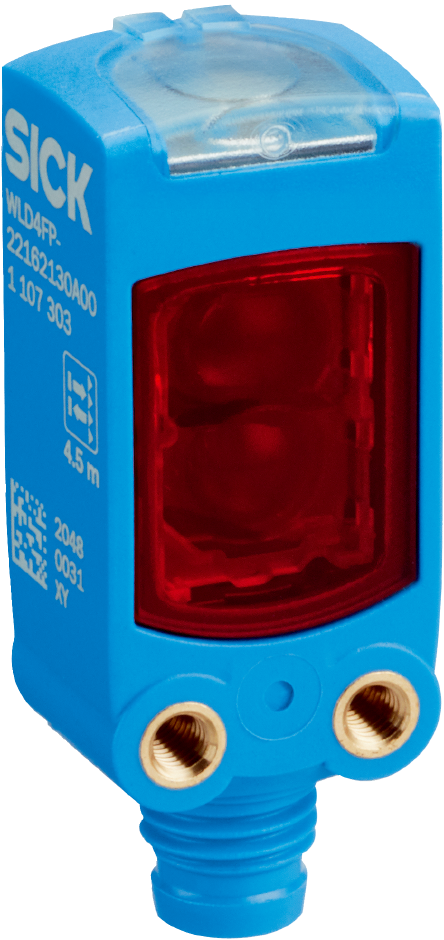
Industrial automation component
WLD4FP-213121A0ZZZ
New Original
$999.00
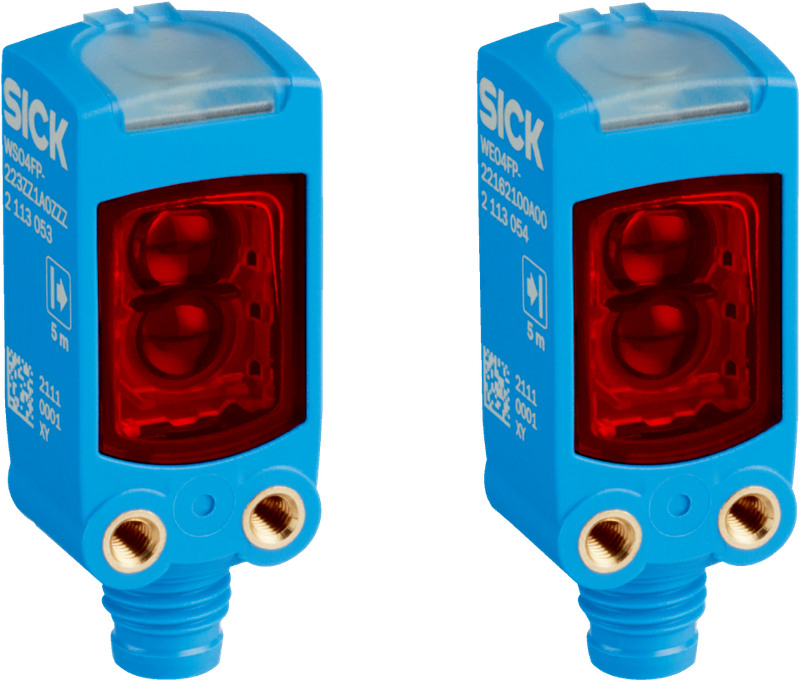
Industrial automation component
WSE4FP-22162100A00
New Original
$999.00
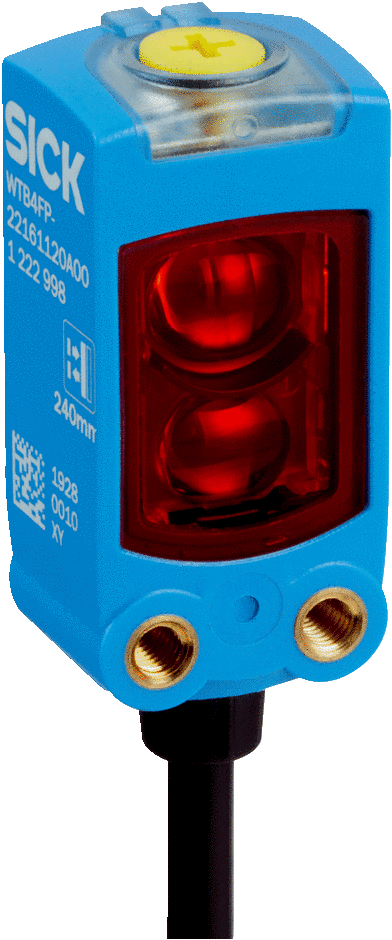
Industrial automation component
WTV4FE-1H162120A00
New Original
$999.00
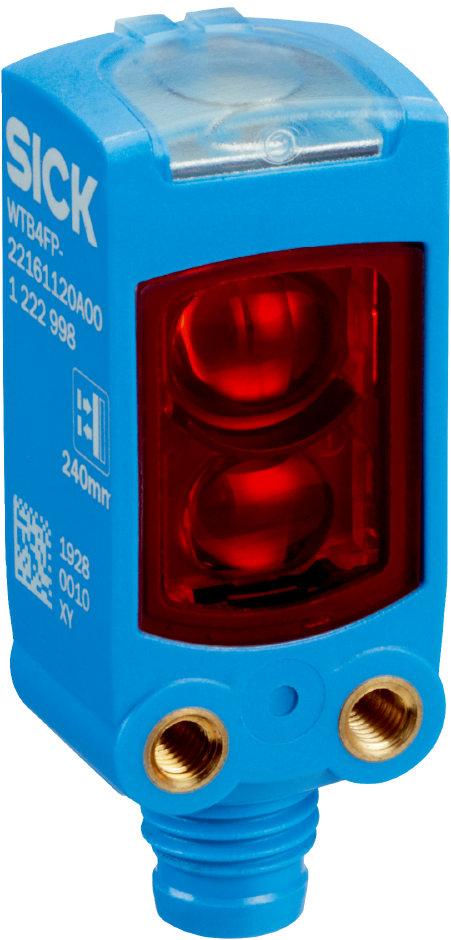
Industrial automation component
WTV4FE-213111A0ZZZ
New Original
$999.00
Choose the W4F sensing principle and optics for the object, background and installation geometry. The complete type code also defines the switching mode and connection.
Photoelectric proximity sensors for object detection with background suppression, including MultiSwitch and DoubleLine variants.
V-optics for reflective or transparent targets and foreground-suppression variants for flat objects on a defined background.
Polarized retro-reflective variants for longer detection paths using a suitable reflector.
Separate sender and receiver variants for high operating reserve and longer sensing distances.
Start with the sensing task, then verify range, target behavior, output logic, connection and communication for the exact type code.
W4F devices can share the same compact housing while using different optics, ranges, outputs and connections. Verify the full type code and SICK part number before ordering.
Select proximity, retro-reflective or through-beam sensing according to the available mounting positions and whether a reflector or separate receiver is practical.
Use the W4F variants intended for flat, reflective, transparent, perforated or uneven targets rather than relying only on the maximum range.
Check light or dark switching, PNP/NPN behavior, connector or cable style, pin count and the exact wiring diagram.
Selected W4F sensors expose configuration, process values and diagnostic information through IO-Link while also supporting conventional switching operation.
SICK documents W4F variants for compact automation tasks involving difficult surfaces, limited installation space and connected diagnostics.
Foreground-suppression and V-optics variants can address thin, highly reflective or transparent targets when the application geometry matches the selected sensor.
DoubleLine variants use two line-shaped light spots to stabilize detection of objects with openings, recesses or irregular surfaces.
Background-suppression and MultiSwitch variants support compact presence, position and two-threshold detection tasks.
Use current SICK documentation to compare sensing technologies and confirm each exact type code.
Key distinctions for identifying and selecting products in this collection.
This collection covers W4F miniature photoelectric sensors, including proximity, retro-reflective and through-beam variants. Other SICK sensor families and installation accessories are handled separately.
No. The complete type code identifies the sensing technology, switching behavior and electrical connection. The numeric SICK part number provides a second ordering check.
No. Communication, process-data and Smart Sensor functions vary by exact type. Check the individual data sheet before integration.
Send the complete SICK type code or numeric part number, quantity, condition and delivery destination for a tailored quotation.
Request a quote